
Cockatiel breeding and mating is a rewarding experience for any bird enthusiast. It involves patience and knowledge of the birds’ natural behaviors and habits.
The basics of cockatiel breeding include finding a suitable mate, providing the right environment, and understanding the mating process.
To ensure successful egg-laying and chick-hatching, the cockatiel pair should be at least 18 months of age and in good health.
The birds should have ample space to interact, such as an aviary or large cage. A proper diet is also essential for reproductive success.
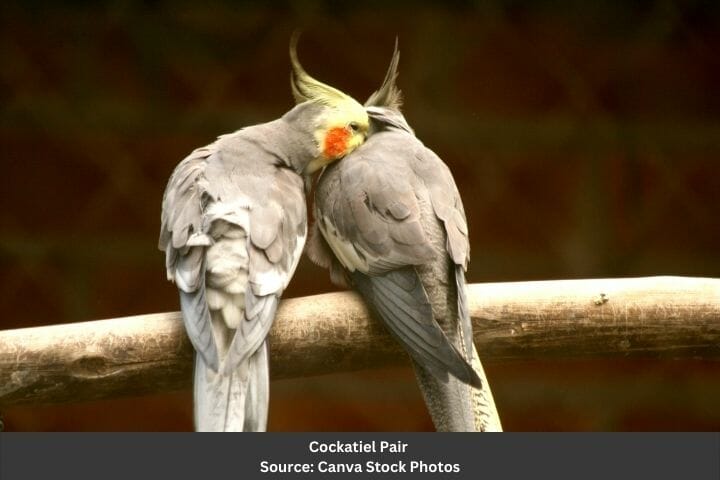
Determine if You Are Ready to Breed Cockatiels
Breeding cockatiels is a lot of work and requires time and dedication. Before doing this, it is important to ensure that you are ready for the commitment and have the necessary information and resources.
First and foremost, it is essential to have a good understanding of cockatiel biology and behavior.
FREE Training to Stop Your Bird's Biting
Get FREE access to Beak School – the only system designed to train your bird. Stop behavioral problems like biting, screaming, feather plucking.
Get the Free TrainingThis includes knowing how to properly care for and feed cockatiels, as well as how to recognize and address any health issues that may arise.
It is also important to have a suitable space for the cockatiels to breed and raise their young, such as a large cage or aviary.
Additionally, breeding cockatiels can be time-consuming and require significant money and effort.
You will need to devote time to monitoring the birds, cleaning their living space, and providing them with the right food and supplements.
You will also need to be prepared to care for the chicks once they hatch, which can be demanding and require specialized knowledge.
If you don’t have much experience with cockatiel breeding and mating, don’t worry. This guide will provide all the information you need to understand the basics of cockatiel breeding and get started on your journey.
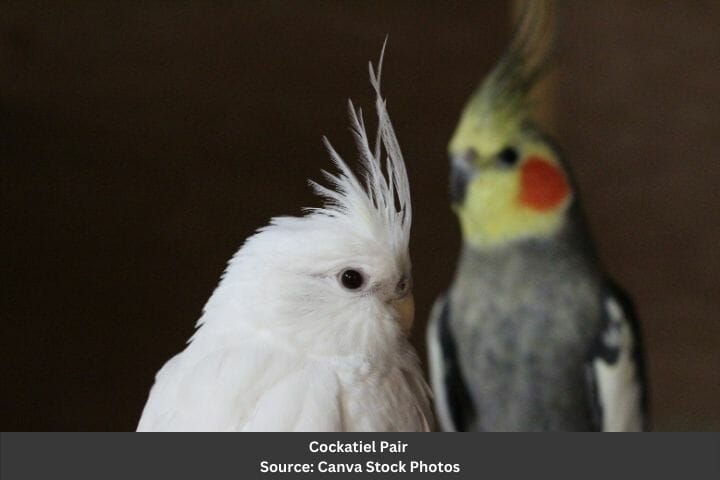
How to Choose the Right Cockatiel Pair
1. Select Appropriately Aged Cockatiels
In order to ensure successful breeding, make sure that the cockatiels you choose are of appropriate age. The hen should be at least 18 months old, and it is preferable that she is two years or older.
The male cockatiel should be at least one year old, but eighteen months makes him that much more mature and better prepared for breeding.
Cockatiels that are much older than five years are not good for breeding, as their fertility levels may be too low.
I recommend breeding cockatiels between 2 and 5 years old for best results. This age range is ideal for producing strong eggs and robust chicks.
2. Check for Signs of Good Health
Health is essential for the successful breeding and hatching of chicks. Look for signs such as clear eyes, active behavior, and clean feathers.
Avoid birds that are plucking their feathers or have watery eyes. The cockatiels should also be vaccinated against common bird diseases to protect them from illness.
It is crucial to check the female’s blood calcium levels before breeding season, as low levels can make her prone to egg-binding and prolapsed uterus, etc.
Any female with a low blood calcium level should not be allowed to breed until it is corrected.
Before you begin breeding your cockatiels, it is important to take them both to an avian veterinarian for a check-up.
This will help ensure they are healthy and free of diseases or defects.
You should also check their weight to ensure they are not overweight or underweight. The normal average weight of a cockatiel is 2.8-3.5 ounces (80-95 grams).
You can easily check whether a cockatiel is overweight or underweight by examining its breastbone.
In an overweight bird, you will feel a lot of flesh on each side of the breastbone. In an underweight bird, you will notice indentations and hard bones on either side of the breastbone.
Being overweight increases the chances of infertility and egg binding in the female, whereas being underweight may indicate nutritional deficiencies.

3. Make Sure That Cockatiels are Unrelated
Cockatiels that are bred from parents with a close genetic relationship may suffer physical issues such as oddly shaped beaks or lack of certain body organs.
Other problems that may occur are missing or deformed wings, legs, toes, or infertility.
Additionally, cockatiels may suffer from orthopedic health issues, which can impact their ability to walk or fly.
To ensure healthy chicks, it is best to choose unrelated cockatiels for breeding.
This means selecting birds from different pairs or lines of descent and with at least three generations of unrelated birds.
If you are not sure if your birds are unrelated, ask the person who bred them for more clarity.
4. Look for Signs that the Cockatiels are Compatible
The cockatiels should be comfortable in each other’s presence and appear to enjoy spending time together.
A compatible pair will spend a lot of time preening and grooming each other and sleeping close together.
Other signs include courtship behavior, such as feeding each other and loud singing.
Incompatible pairs may display aggression towards one another or may not engage in any courtship behavior at all.
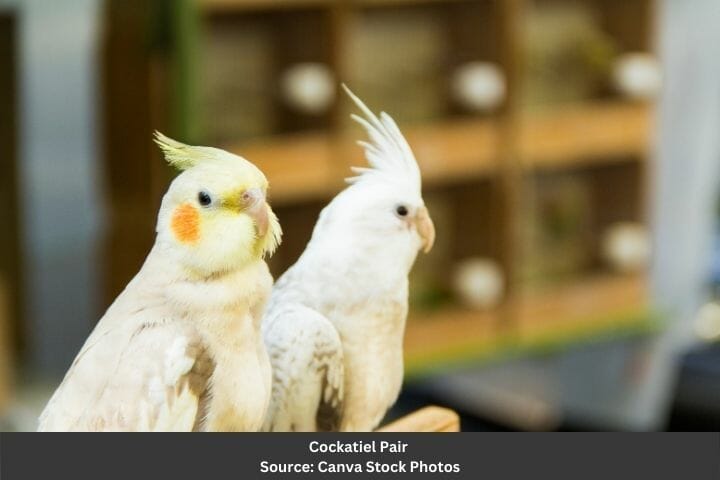
5. Make Sure One Cockatiel is Male, and the Other is Female
It is important to make sure the two cockatiels you pair up are of different sexes, as only a male and female can mate.
This is because same-sex pairs will not produce eggs or offspring, regardless of how much they may bond with each other.
Two males may engage in courtship behavior, but no eggs will be produced. Two females may lay eggs, but they will be infertile.
You should have a clear idea about sexing for successful breeding.
It is difficult to determine the sex of the cockatiels through the physical differences. Males tend to be louder in their calls and have more markings under their wings than females do.
DNA testing is the only guaranteed way to determine which cockatiel is male and which one is female.
If you’re unsure, ask a veterinarian to do a DNA test. DNA samples can be obtained from blood or feather.
6. Not Every Cockatiel Is a Good Parent
Cockatiels with previous successful breeding experiences make more suitable parents.
Look for birds with a history of hatching and raising chicks, as these are more likely to be successful again.
Cockatiels who have never bred before may not be ready to take on the responsibility of parenting and may abandon the nest and eggs or neglect the chicks.
It is also possible to find out if your cockatiel pair has been successful before by asking the breeder or previous owner.
Pay attention to how the birds interact with each other and the chicks after they hatch, as this will give you an indication of their parenting abilities.
Note: Before adding a new bird to the cage, it should be quarantined and tested for common health problems of cockatiels.
This means keeping it in a separate space from your existing birds for several weeks until you can be sure that they are free from any contagious diseases.
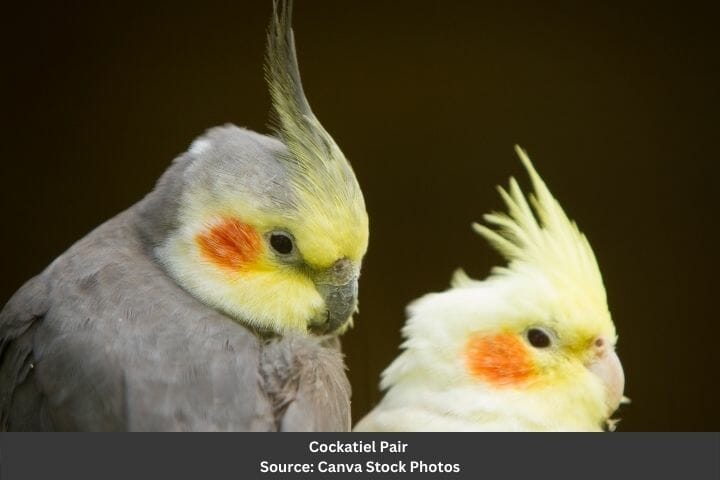
Preparing Your Cockatiels for Breeding
When it comes to preparing your cockatiels for breeding, there are a few key steps you should follow.
Providing the birds with proper nutrition, adequate light and space, and creating a nest box are all important considerations when preparing cockatiels for breeding.
1. Provide Good Diet for Your Birds
A successful breeding program for your cockatiels begins with providing a healthy diet.
A proper diet of high-quality pellets, along with fresh fruits and vegetables, is essential to ensure that your birds are receiving the proper nutrition they need in order to produce healthy eggs.
You should also consider adding a calcium supplement to the diet, as this will help the hen recoup the nutrients she is losing in the egg-laying process.
The perfect cockatiel nutrition or diet includes
- Chopped fruits, vegetables, and dark leafy greens
- Multi-grain bread
- Cooked egg yolks with shells (Wash the eggs thoroughly)
- Sprouted seeds or grains
- Cockatiel seed mixes
- Mineral blocks or cuttlebone for calcium supplementation
- Soft foods such as beans, green peas, cooked rice, and pasta
You can also supplement their diet with items such as proenzyme, spirulina, or echinacea.
Adding these to your pet’s food can be a good way to make sure they’re getting all the extra nutrition they need.
Fresh and clean water should be available at all times and changed many times daily.
I’d suggest avoiding sunflower seeds and spinach when preparing your cockatiels’ diet. These foods can potentially affect calcium absorption.

2. Provide Adequate Lighting
A cockatiel is an opportunistic and prolific breeder. It will breed any time of year, even when kept in captivity.
As cockatiels tend to breed in response to the light they receive, it’s important to provide them with 12-14 hours of artificial light each day during the breeding season.
You should use full spectrum lights that mimic natural sunlight during this time.
The cage should be kept in an area of the house that receives natural light, such as near a window.
This will help the birds get the necessary amount of sunlight they need to breed successfully.
3. Provide Enough Room
You should provide a pair of breeding cockatiels with a cage that is at least 20 x 20 x 50 inches or larger.
This will provide plenty of space for the birds to lay their eggs. And even more, room when they hatch their chicks.
You should also consider placing the cage in a quiet place in your house. It gives them the security and peace they need for breeding and caring for their young.
Aviary for Breeding Cockatiels: An aviary is ideal for breeding cockatiels. The aviary is a large room that is designed specifically for birds.
It offers them plenty of room to breed and raise their young. It also protects from predators.
Unfortunately, an aviary is not an option for most people, so they will need to use a cage instead.
If you decide on a cage, make sure it is welded wire and large enough for the pair of birds to move around comfortably inside.
Adding a nest box or other accessories to a welded wire cage is much easier than any other type of cage.
If you use wires are welded after galvanization, it can cause heavy metal poising due to lead present in them.
Avoid using chicken wire with 1×1 inch openings if you’re building a cage. The birds could get their heads stuck through the holes, so it’s crucial to find wiring to keep them safe.
4. Create a Nest Box
A nest box is essential for a successful breeding program. A good nesting box should be large enough for both of the birds and have an opening that is easy to access. When selecting a nest box, there are certain factors that need to be taken into consideration.
Materials: The material used to make the nest box is also important. Wood, metal and plastic are the common types of material available in the market.
Wooden boxes are a popular choice because they look appealing, and it’s easy for the cockatiels to customize the entrance by chewing on it.
Size: The size should be one by one foot, providing enough space for cockatiels to raise their young comfortably. The front of the nest box should have a 3-inch (7.6 cm) wide hole for the entrance of breeding pairs.

Rear Door: Certain nesting boxes feature backdoors that allow you to check on the chicks without worrying about their mother. This is a great way to monitor the growth of your feathered friends without disrupting their environment.
Bedding: In order to create a comfortable and safe environment for cockatiel parents and their babies, choose bedding that is low in dust.
Among the best options are pine wood shavings or paper materials such as white paper towels. Cedar shavings should be avoided, as the oils from these materials can injure or even kill baby birds.
Once you have created a suitable nest box, place it in an area of the cage that is quiet and out of direct sunlight.
Make sure the box is positioned in a way that the birds can enter and exit without interference from other cockatiels. This will ensure they have a safe place to rest and breed in peace.
5. Add Perches in The Cage
Adding perches and toys to breeding cockatiels’ cages is beneficial for the birds and their breeding process.
You should have at least two perches in the cage. It gives the birds more space to move around and explore.
This encourages exercise and physical stimulation. It also provides an area where males can easily mount the females, which is important for successful breeding.
Perches also provide an ideal spot for the pair to bond and establish a strong connection before mating occurs.
When choosing perches, make sure they are sturdy enough to support the birds’ weight and are low enough for males to easily stand on them.
Furthermore, if you’re unsure about the installation process yourself, it’s a great idea to hire an expert who will get the job done correctly and safely.

What is Cockatiel Mating Season?
Cockatiels typically breed in the spring and early autumn months when the days are longer and the weather is mild.
This is known as cockatiel mating season, but depending on the environment and available nesting materials, some birds may breed at other times of the year.
To encourage breeding, you should provide your birds with an environment that mimics their natural habitat
How To Introduce the Breeding Pair
Once you have prepared the cage and nest box, it’s time to introduce the breeding pair. This can be a stressful experience for both birds. So, it must go as smoothly as possible.
Start by placing the male in the cage first, allowing him some time to adjust and get used to his new home before introducing the female.
Once he is comfortable and settled in, the female can be placed in her own cage next to him.
This will allow them time to get acquainted before being released into the same enclosure together.
When introducing birds this way, it’s important to keep a close eye on them for the first few days to make sure they are getting along.
FREE Training to Stop Your Bird's Biting
Get FREE access to Beak School – the only system designed to train your bird. Stop behavioral problems like biting, screaming, feather plucking.
Get the Free TrainingIf there are any signs of aggression, it’s best to separate the birds and try another day again.
Finally, when introducing them for mating purposes, be sure that both birds have enough room in the cage and make sure they have access to food, water, and nesting materials.
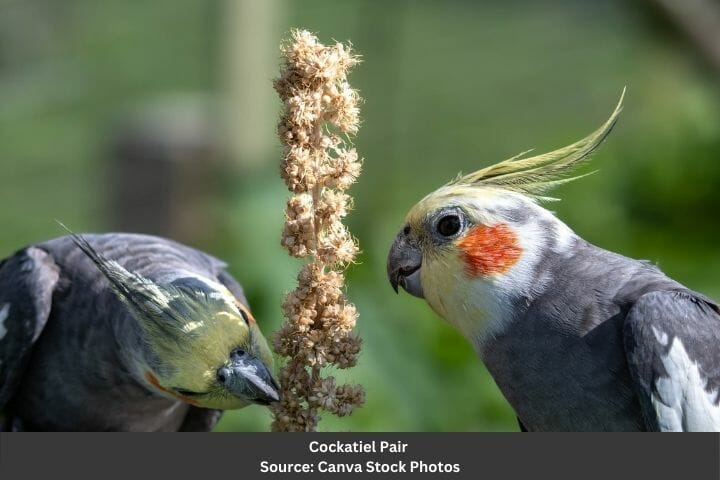
Watch the Male Cockatiel Prepare the Nest
Once the breeding pair has been introduced, you should watch for signs that indicate mating is about to take place.
The male cockatiel will start to prepare his nest box by enlarging the opening and arranging the bedding materials.
He will collect sticks, twigs, and other materials to create a safe space for their eggs.
This behavior is often seen in the mornings as the birds search for nesting materials. This is an indication that he is in the process of establishing a comfortable home for his mate and future chicks.
When the nest is prepared, it’s time to watch the pair interact in their new home. The female will enter the box and spend time with the male.
FREE Training to Stop Your Bird's Biting
Get FREE access to Beak School – the only system designed to train your bird. Stop behavioral problems like biting, screaming, feather plucking.
Get the Free TrainingIf they seem comfortable together, then they are ready to mate, and you can expect chicks soon!
The Aggressiveness of Cockatiels While Breeding
It’s important to remember that cockatiels can become aggressive when breeding. So, it is important to be watchful.
Male cockatiels may experience a degree of rivalry when it comes to breeding. If the female pays too much attention to the eggs or chicks, the male may become envious, resulting in occasional squabbling between them.
In addition, either partner can become frustrated if the other attempts to enter the nest box. This behavior is normal, though it should subside as the breeding progresses.
After the eggs hatch, the parents will become even more protective of their chicks, so keeping a safe distance and avoiding disturbing the nest is important.
The male and female cockatiel will take on different roles during this time.
The female will primarily be responsible for keeping her young warm and cozy in the nest. While the male cockatiel will take on a dominant role. It protects and brings food for the chicks.
Monitor the Mating Behavior
When breeding cockatiels, it is important to monitor the pair for mating behavior. This can range from physical contact and vocalizations to nest building and egg laying.
Physical Contact: Among the most common signs of mating behavior in cockatiels is physical contact between the pair.
This can include preening, mounting, and finally, the female cockatiel submitting to the male. Preening is when one bird cleans the feathers of another with their bill, usually accompanied by soft vocalizations from both birds.

Vocalizations: Cockatiels engage in a variety of communication behaviors during mating season. They can be heard chirping, whistling, singing, and chanting in unison. This is often accompanied by tender physical contact such as preening and bill rubbing.
Mounting and Mating: When the female cockatiel is ready to mate, she will adopt a low posture which makes it easier for the male to mount her.
The male will then approach, and his tail feathers may quiver slightly in anticipation. Mating involves the male standing atop the back of the female and can last up to one minute before he flies away following completion.
What is the Mating Dance or Rituals of Cockatiels?
The “mating dance” or ritual is a series of behaviors that cockatiels use to establish the bond between them and to show their readiness for mating.
This ritual can include bowing, twirling, hopping, tail fanning, and chirping. When the male approaches the female, he will bow his head and perform a series of chirps and whistles.
He will then circle the female, displaying his tail feathers and continuing to vocalize.
Once he has finished his display, the female may respond with similar behaviors or remain still in acceptance.
If accepted, they will then begin to preen at each other and mate.
Eggs Laying After the Mating
After the female cockatiel has accepted her mate, she will begin to lay eggs within one to two weeks.
Cockatiel eggs usually come in clutches of four to six. The hen typically produces an egg every 48 hours.
Eggs laying and incubation may take longer or shorter depending upon individual birds.
After the first egg is laid, she may start to incubate them immediately. However, some hens will wait until all eggs have been laid before beginning to incubate.
During this time, the male cockatiel should continue to provide her with food while also protecting their nest from potential predators.
It is important to monitor the pair for signs that egg-laying has begun. The hen will have a big dropping at this time. Most new breeders are likely to see this, but there is nothing to be worried about.

Source:Oldcockatoo, CC BY-SA 3.0, via Wikimedia Commons
All it tells is that the hen is ready to lay an egg sometime during the next day.
It’s essential to regularly candle the eggs (more on this later) for the presence of a yolk. If the yolk doesn’t make it into the hen’s oviduct, it may end up in her abdomen instead.
This can result in a serious infection known as egg peritonitis. So it is important to seek treatment from an avian vet immediately if this occurs.
Brooding Of the Eggs By Parent Cockatiels
Once the eggs have been produced, both parents will alternate in sitting on them and keeping them warm.
This is known as brooding, and they take turns doing it to ensure that the eggs are kept at an optimal temperature.
The female will sit on them most of the time and pluck out some of her own feathers to expose a bit of bare skin.
This is called a “brood patch,” and it helps to keep the eggs warm during incubation. The male will also take turns to help incubate the eggs and protect them from predators.
Turning the eggs is an important process for cockatiels to ensure that their babies will hatch healthy and strong.
The hen should turn her eggs at least twice a day, or even more often if possible. Turning the egg helps keep the temperature even on both sides.
It also prevents the newly-hatched chick from attaching itself to the inner shell, which can cause deformities or even death if left unchecked.
Furthermore, turning eggs promotes proper organ development by allowing for adequate oxygen flow throughout all parts of the egg.
Candling to Check the Fertile Eggs
Candling is a process used to check the fertility of cockatiel eggs. By holding an egg up to a very bright light, you can observe what’s happening inside the shell.
Fertile eggs will have red spider-like veins, with a dark spot in the center and white space indicating an air cell is present at the wider part.
Infertile eggs will not have red veins and may appear clear or cloudy. On the fifth day, it’s best to inspect the eggs by candling them.
As the chicks develop, candling becomes more difficult since they take up most of the space inside the shell.
It is essential not to remove infertile eggs from the nest box. These eggs will help keep the fertile eggs warm and protected from rolling around.
Before handling eggs, it is important to ensure that your hands are clean. Wash them in hot soapy water, and also use a hand sanitizer for extra protection.
Eggs have many tiny pores on their shells. So if there are any germs or bacteria on your hands that can enter the egg, potentially killing the developing chick.
It’s also important not to hold eggs for too long, as they can overheat and cause harm or even death to the developing chick.
Hatching of Chicks
After anywhere from 18-21 days, the eggs will begin to hatch.
As your eggs start to get ready for hatching, you’ll notice that the air cell at the larger end begins to move off to one side of the egg..
This is known as drawdown, and it’s a sign that the eggs are about to hatch soon.
This usually happens 48 to 72 hours before hatching.

Source: Dylan Ashe from San Jose, USA, CC BY-SA 2.0, via Wikimedia Commons
Once this has occurred, you may start to hear a peeping sound coming from within the egg as the chick is taking its first breaths of air. This is a sign that the hatch is progressing.
The chick will then begin to pip, which is the process of breaking through the shell. This can take anywhere from 30 minutes to a few hours, depending on the strength and size of the chick.

Once it has broken through and is free from its shell, it will dry off (this can also take up to an hour) before beginning to move around in search of food.
Humidity: It is important to make sure that the humidity is 56% during this time. So that the chick does not stick to the inner shell of the egg while it hatches.
Too much humidity can also be a problem as it can cause mold and bacteria growth in the chicks, which can lead to respiratory problems. Therefore, monitoring the humidity is an essential part of the process to ensure a successful hatch.
Once all of the eggs have hatched and the chicks have dried off and begun to move around, they will be ready for their first meal!

The parents should provide them with plenty of food and water as they begin their life journey as cockatiels.
Hatching cockatiel chicks and their first few days can be a joyous and exciting time. But it’s also important to stay on top of their nutrition for optimal growth and development.
Note: It’s essential to monitor the hatching process for any potential issues. If no external pip is visible after 36 hours of air cell tilting, the pip mark site remains unchanged after 48 hours, the pip progresses 1/4 to 1/2 way but then stalls or the baby starts to move back towards the original pip mark, then consulting an avian vet is recommended.
Hand Feeding of the Chicks
Hand-fed cockatiels makes the best pets because they are especially attached to humans.
Pulling the chicks at ten days of age is an important step in ensuring a successful hand-feeding experience.
At this stage, the chicks’ eyes have just opened, and after a few feedings, they already recognize their human caretaker as their “mommy bird.”
To hand-feed the chicks, you will need to purchase a high-quality hand-feeding formula.
And feed them every three hours from 6 am to midnight. It is important to not miss any feedings as this can cause serious health issues in the chicks.
Once the chicks are four weeks old, they should be weaned onto a seed and pellet diet.
This process should be done gradually, as the chicks are still growing and need extra nutrition from the hand-feeding formula for optimal health.
FREE Training to Stop Your Bird's Biting
Get FREE access to Beak School – the only system designed to train your bird. Stop behavioral problems like biting, screaming, feather plucking.
Get the Free Training
Cockatiel Chick: Day-to-Day Development
The chicks will continue to grow larger and more independent each day, gradually gaining their adult feathers.
The parents should continue to provide food for the chicks until they are fully weaned off of their parent’s diet and eating on their own.
In the first week of life, cockatiel chicks are still quite vulnerable to disease and injury.
They rely heavily on their parents for warmth and nourishment as their bodies are not yet developed enough to regulate their temperature.
The chicks will spend most of their time snuggled up in the nest box, only emerging to ask for food from their parents.
At around two weeks of age, the chicks will start to explore outside of the nest box and venture further from their parents. This is when they begin developing their independence, though they are still very vulnerable to injury or predation during this time. So it is important to keep a close eye on them.
By three weeks of age, the chicks will be able to regulate their own body temperature, and they will become more active as they explore their surroundings. At this point, you may start to notice a few feathers beginning to come in!
At four weeks of age, the chicks will begin to develop flight muscles, and more feathers will come in. They will also begin to wean off of their parents and start eating more solid foods such as seeds and greens.

By six weeks of age, the chicks should be almost fully feathered, and they will be able to flutter around with some control. At this point, they no longer need the protection of their parents, but they should still be provided with plenty of food and water daily.
It is important to note that chicks will continue to develop even after the six-week mark. They may take up to a year before they reach adulthood, depending on their diet and environment.
During this time, it is essential that they have access to plenty of nutritious foods in order to reach their full potential.
How Often Should You Breed Your Cockatiel in A Year?
Cockatiels can breed multiple times per year, but I’d recommend only breeding twice a year.
More frequent breeding can lead to health issues such as calcium depletion, malnutrition, and reproductive disease in female birds.
Allowing the birds time to replenish their calcium levels between breeding cycles is essential for their continued good health and welfare.
How to Stop Cockatiels from Breeding
Once your cockatiels have mated and produced chicks, you may want to take steps to prevent them from mating again. If you do not wish to breed your cockatiels anymore, there are a few ways to discourage them from doing so.
Decrease the daylight: The first step is to reduce the amount of light they are exposed to.
Cockatiels use light as a cue for when it is time to breed, so reducing the amount of light that your cockatiels receive by about four hours per day can discourage mating activity.
Remove the nest box: Once your cockatiels have finished using the nest box, it is important to remove it from their cage. This will prevent them from returning to it for laying eggs and raising chicks.
Don’t give soft food: You can also eliminate soft foods from their diet. Soft foods are often used as a treat during the breeding season.
So providing your cockatiels with a seed and pellet diet can help to decrease their breeding desires.

Frequently Asked Questions
How many times will cockatiels mate before laying eggs?
Cockatiels typically mate once in order to lay eggs. However, the frequency of mating can vary depending on the individual bird and its environment.
Some cockatiels may mate multiple times in a season, while others may only mate once.
How do I know if my cockatiels are ready to mate?
To determine if your cockatiels are ready to mate, look for signs of increased affection and grooming between the birds, as well as courtship displays and nesting behavior.
If you notice these behaviors, it is likely that your cockatiels are ready to mate.
Do cockatiels lay eggs every time they mate?
Cockatiels do not lay eggs every time they mate. In fact, it is common for cockatiels to mate multiple times before the female lays any eggs.
The frequency of egg-laying can vary depending on a variety of factors, including the bird’s health, age, and environment.
In general, a healthy cockatiel that is provided with a suitable nest box and a healthy diet will be more likely to lay eggs than a bird that is unhealthy or stressed.
How many days do cockatiels take to lay eggs after breeding?
The amount of time it takes for a cockatiel to lay eggs after breeding can vary depending on a variety of factors, including the bird’s health, age, and environment.
On average, it may take a healthy adult cockatiel anywhere from one to two weeks to lay eggs after breeding. However, some birds may take longer or shorter to lay eggs.
In which month do cockatiels lay eggs?
In general, cockatiels are more likely to lay eggs in the spring and early autumn months, when daylight hours are longer and the weather is milder.
However, it is not uncommon for cockatiels to lay eggs at other times of the year, and some birds may lay eggs year-round if they are provided with suitable nesting conditions.
How do I encourage my birds to breed?
Encouraging cockatiels to breed can be done by providing a stimulating and safe environment.
The most important triggers for breeding are an increase in the amount of daylight, a nest box, an abundance of soft, fresh foods, and daily bathing.
Why is my cockatiel not breeding?
If your bird is too young or too old, it may not be capable of breeding. If your cockatiel is stressed, unhealthy, or overcrowded, it may also not breed.
Your cockatiel may also not breed., if the conditions in the environment are unsuitable for breeding (not enough light, no nest box, etc.)
How do you breed cockatiels successfully?
You should provide your birds with a safe, secure environment that is free from stressors and has plenty of natural daylight hours.
A nest box or other suitable nesting material should be provided to encourage courtship and breeding. Additionally, a diet rich in fresh vegetables, fruits, and nutritious seed mixes should be provided.
Wrapping Up
Cockatiels are social and affectionate birds that can make wonderful pets.
To successfully breed cockatiels as pets, it is important to provide them with a safe and secure environment, plenty of natural light, a nest box or other suitable nesting material, and a nutritious diet.
With the right conditions in place, you may be able to witness your cockatiels fall in love and start a family of their own.
Thank you for taking the time to learn more about cockatiels, and best of luck with your cockatiel breeding journey!
